
Design around the office, not only the desk count
A reliable office network starts with a plan for people, rooms and devices. List workstations, wireless access points, IP cameras, phones, printers and meeting-room systems. Include likely changes to room layouts and equipment. These requirements guide outlet locations, rack space, cable routes and the capacity needed in the network cabinet.
Choose cabling for the actual installation
Copper and fibre serve different roles. Copper cabling commonly connects endpoint devices and can carry power to compatible equipment. Fibre can suit backbone links and longer routes between network areas. Category labels alone do not guarantee a working network: the cable, connectors, patch panels, installation method and connected hardware must be considered together. Ask the designer to document the required performance rather than choosing on a label alone.
Protect access and make maintenance practical
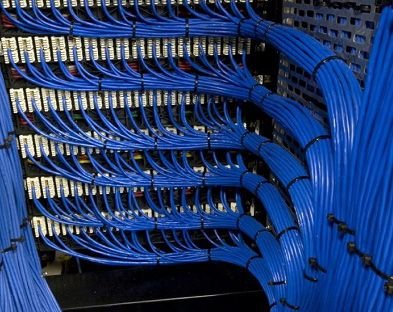
Plan separation from electrical services, appropriate containment, rack ventilation and safe access for technicians. Label outlets and both ends of every link consistently. Keep network equipment in a controlled location and define who can change settings. A tidy cabinet should also be maintainable: drawings, patching records and spare capacity are more useful than appearance alone.
Ask for testing and documentation
Agree the required acceptance tests before installation begins. At handover, request link test results, outlet and cabinet schedules, an as-built layout and equipment settings. Resolve failures before moving operations onto the new network. Smart Level brings structured cabling, fibre, active networking and related building systems into a coordinated installation and maintenance plan.